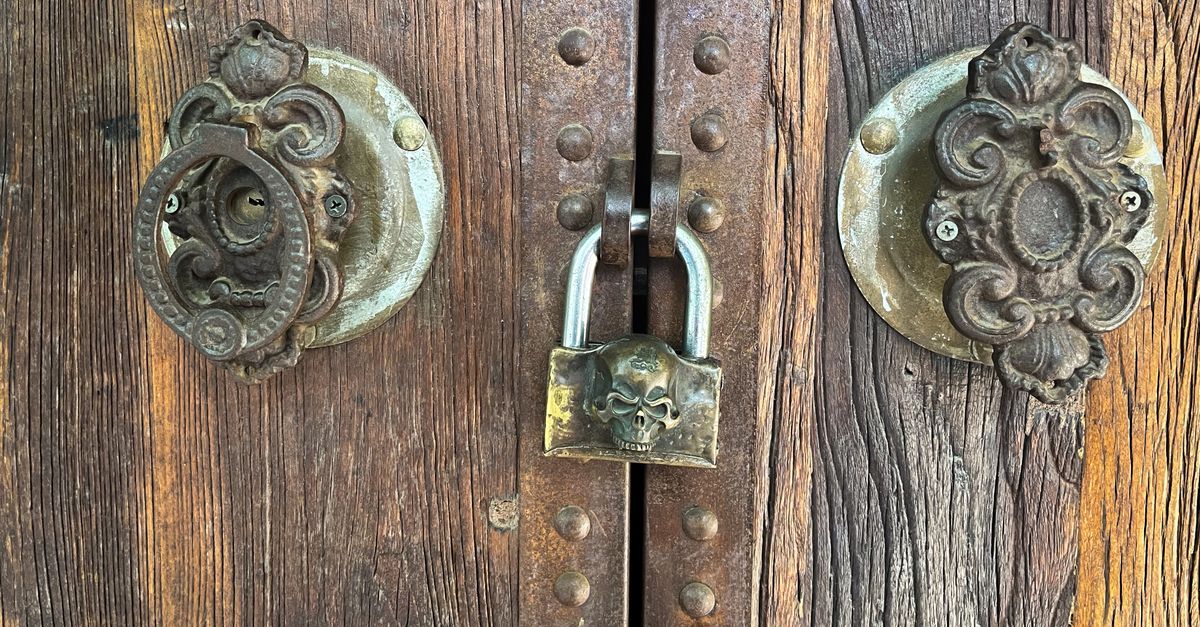
What Is a Mortise Lock and Why Older Studio City Doors Depend on Them
A mortise lock is a self-contained locking mechanism installed inside a precisely cut pocket — the mortise — carved into the edge of a door. Unlike a cylindrical borehole lock (the common type found on most modern interior doors), a mortise lock houses the latch, deadbolt, and often the strike mechanism all within a single steel case. This integrated design is why builders and architects favored them on exterior doors from roughly the 1900s through the 1970s, and why so many doors in older Studio City neighborhoods still carry them today. The trade-off is complexity: more moving parts mean more points of potential failure, especially after decades of use.
A standard mortise lock set includes the lock body, the face plate, a pair of trim pieces (escutcheons), the lever or knob handles, the mortise lock cylinder that accepts the key, and a strike plate on the door frame. When any one of these components deteriorates — a cracked case, a stripped spindle, a worn-out cylinder that accepts the wrong key or none at all — the entire assembly needs professional attention. Brands like Corbin Russwin and Baldwin built these systems to last, but even quality hardware has a service life, and exposure to coastal Southern California humidity doesn't help aging metal.