Car Key Replacement by Vehicle Brand — What You Need to Know
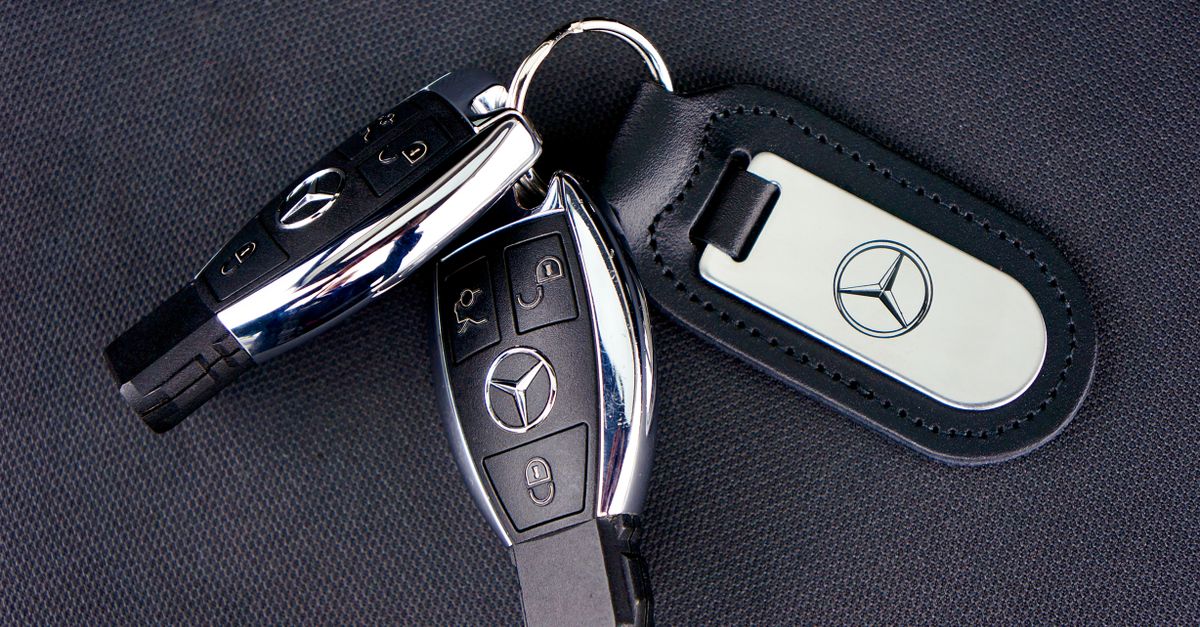
Not all car keys are created equal, and the replacement process varies significantly depending on who built your vehicle. Toyota and Lexus models from the mid-2000s onward use smart proximity keys that require on-board diagnostic programming, meaning the new key blank must be cut to your door and ignition profile and then paired to the ECU on the spot. Honda and Acura vehicles often use a combination of a laser-cut high-security blade and a rolling-code fob that must be synced through a specific initialization sequence only possible with professional equipment. Ford, Lincoln, and RAM trucks with Passive Anti-Theft System (PATS) transponders require the replacement key to be recognized by the vehicle's powertrain control module before the engine will start — a step that cannot be skipped. German makes like BMW, Mercedes-Benz, and Audi use encrypted proximity keys with multi-layer security that demand factory-level programming tools, and our technicians carry exactly those tools in every service vehicle.
For General Motors vehicles — Chevrolet, GMC, Cadillac, and Buick — the passkey and PassLock systems vary by generation and often require VIN verification and specialized software to clone or originate a new key. Hyundai, Kia, and Genesis models sold in recent years use push-button smart keys with immobilizer pairing that must be completed while the vehicle is present, which is precisely why our mobile approach matters: we come to the car, not the other way around. If you drive a Subaru, Mazda, or Mitsubishi, proximity key programming typically requires the original working key to initiate a learning procedure — but in lost-key scenarios, our technicians can perform an all-keys-lost procedure using advanced bypass tools in a safe, manufacturer-recognized way. Whatever brand is on your key fob, call 818-651-0080 and we will confirm exactly what your replacement requires before dispatching.