Why Keys Break — and Why the Lock Type Changes Everything
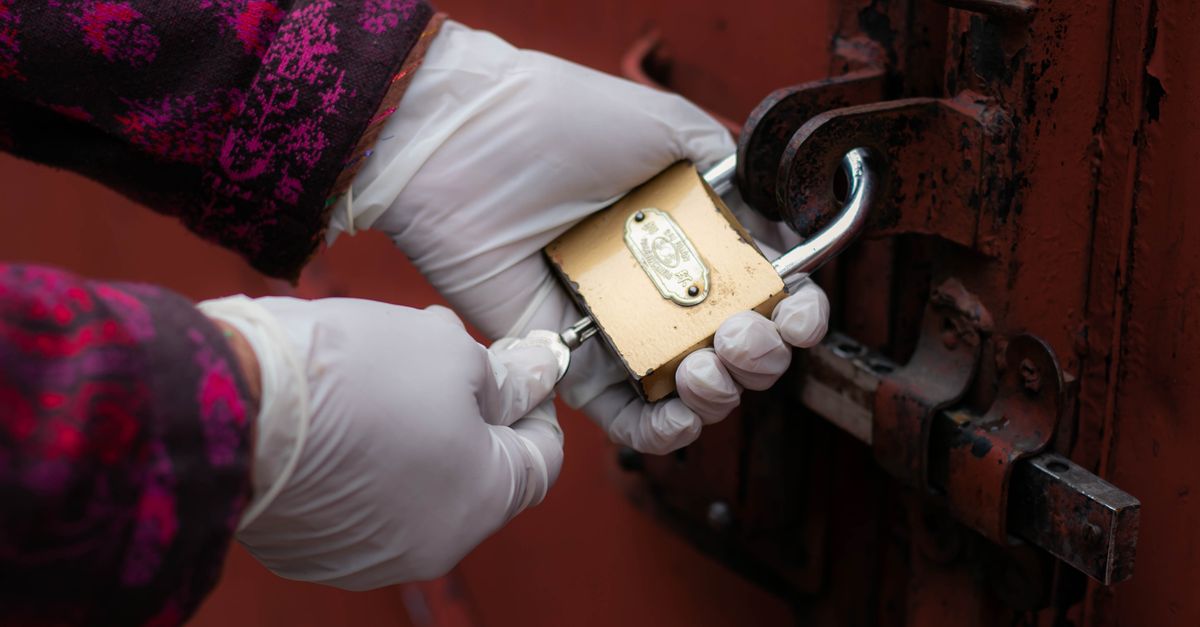
Keys fail for a surprisingly wide range of reasons: metal fatigue from years of daily use, a lock cylinder that has stiffened due to lack of lubrication, attempting to force a slightly miscut duplicate, or simply the bad luck of a brittle key blank meeting a cold morning. What most people do not realize is that the lock type dictates exactly how a technician approaches the job. A standard residential door knob lock has relatively open cylinder access, making fragment removal more straightforward. A mortise lock — the deep, rectangular body commonly found in older Studio City apartment buildings, commercial storefronts, and historic Craftsman-era homes throughout the area — presents a more complex challenge because the cylinder sits inside a heavy steel case embedded in the door edge. Our technicians carry specialized extraction tools sized for mortise lock cylinders specifically, not just the one-size-fits-all hooks used for simple pin tumbler locks.
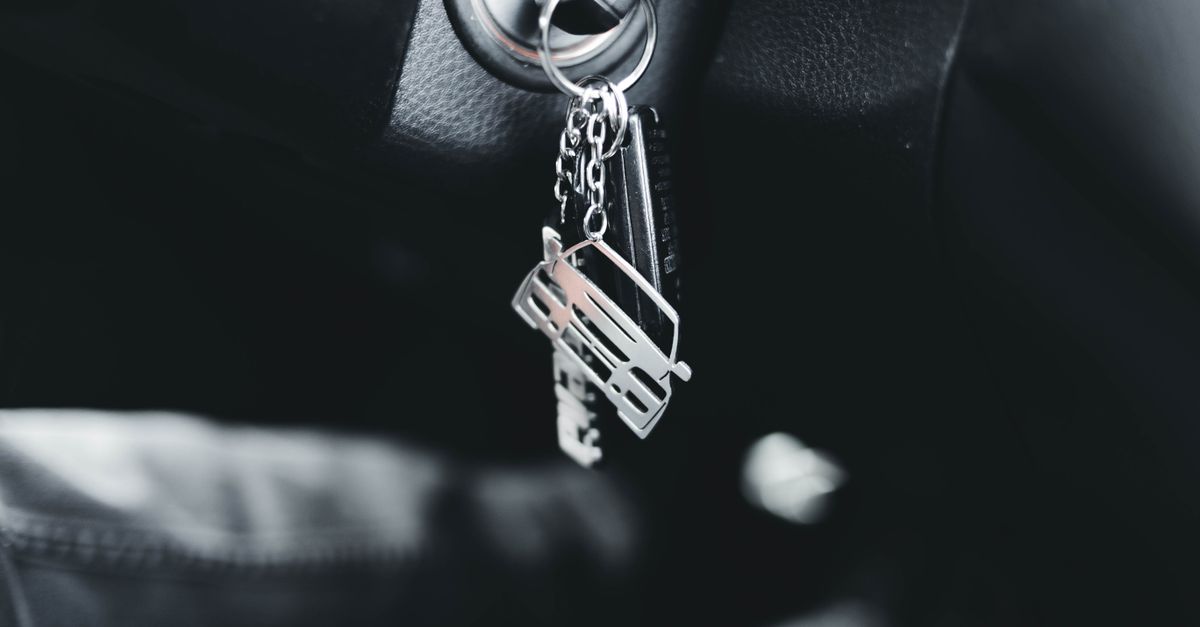
Automotive locks add another layer of complexity entirely. Transponder-equipped ignition cylinders, laser-cut high-security car keys, and proximity fob systems all interact with the ignition in ways that mean a broken fragment must be removed without disturbing the ignition's internal wafer stack or damaging the transponder coil ring around the cylinder collar. Our mobile units are stocked with extractor sets calibrated for domestic and imported vehicles alike, so we can address a snapped key in a Toyota on Ventura Freeway service roads just as effectively as a European import parked near CBS Studio Center.